Poor quality in shower manufacturing often reveals hidden costs through returns, rework, compliance issues, and lost customer confidence. Understanding these hidden costs can guide more informed purchasing decisions, particularly in the B2B space where efficiency and reliability are paramount.
Why Defective Shower Products Cost More Than Their Purchase Price
Purchase orders typically list product price, tooling, and packaging but overlook costs related to defects such as customer complaints or lost revenue. Defects might involve visual issues like crooked hems or non-obvious issues like insufficient corrosion resistance. These defects can significantly impact the total cost of ownership (TCO) and product lifecycle management, which are critical considerations for B2B buyers.
Internal failure costs include sorting, rework, and downtime before customers receive products. External failure costs involve returns, refunds, and lost future orders.
A factory inspection example highlights the importance of early quality controls. An inspection identified a non-compliant polyurethane coating, which when caught early could prevent costly shipment issues. This underscores the need for robust internal quality processes and regular audits to mitigate risks before they translate into external costs.
1. Returns and Reverse Logistics Can Eliminate Shower Product Margin
Defective products often incur additional costs beyond replacements. These include return freight, warehouse inspections, and restocking. Imagine a 5,000-unit order with a 5% defect rate, resulting in the complex logistics and costs of handling 250 defective units. The impact on supply chain efficiency can be profound, as managing returns requires coordination between logistics, warehouse operations, and customer service teams.
Detecting defects at the factory is more effective than dealing with post-sale returns, which are complicated by inconsistent conditions and unclear origins of defects. Proactive strategies, such as predictive analytics and quality testing at various production stages, can reduce the incidence of defects and alleviate the burden on reverse logistics.
Implementing technology that tracks product performance can offer insights into potential defect patterns, enabling companies to address issues before products hit the market. By incorporating customer feedback loops and continuous improvement methodologies into supply chain management, businesses can enhance quality and minimize margin erosion.
2. Rework, Sorting, and Scrap Reduce Factory Productivity
Rework leads to increased costs, affecting labor, machinery, and production capacity. In shower products, even small defects can require significant intervention. For instance, poorly aligned components may need refitting, and some items become scrap due to irreparable issues like excessive needle holes. This inefficient use of resources affects the factory’s overall productivity and throughput.
Buyers should ensure suppliers differentiate between repairable and scrap items, affecting quoted prices marked by assumptions about yield and rework. Clear communication and contractual agreements regarding quality expectations can reduce misunderstandings and align both parties on quality objectives.
Optimizing quality control processes through lean principles can significantly boost factory productivity by minimizing waste and focusing on value-added activities. Engaging with suppliers to develop a shared understanding of quality metrics fosters collaboration and ensures continuous performance improvements.
3. What an AQL 2.5 Pass Actually Says About Defect Risk
An AQL 2.5 pass does not guarantee defect-free shipments, only that a sampling met specified acceptance criteria. Critical defects may require zero tolerance, and AQL should be part of a broader quality system for shower products. Understanding AQL’s limitations helps buyers make better decisions about the level of inspection necessary for their specific requirements.
Explicit defect definitions are critical for understanding real product acceptability, beyond the limitations of AQL results. Incorporating more nuanced quality measures, such as Statistical Process Control (SPC) and Failure Mode and Effects Analysis (FMEA), can provide deeper insights into product quality and process stability.
Strategic use of these advanced methodologies allows companies to predict and mitigate risks more effectively. Educating stakeholders about these quality tools can help align expectations and prevent complacency in quality assurance practices, fostering a culture of continuous improvement across the organization.
4. Defective Shipments Create Duplicate Freight and Inventory Delays
Defective items already shipped double freight costs as replacements or returns require additional shipping solutions. Ocean transit adds risks like moisture affecting goods, necessitating strategies like appropriate desiccants within packaging. Implementing real-time tracking systems and improved packaging methods can help mitigate these risks and ensure product integrity during transit.
Shipment defects interrupt inventory availability, causing stockouts and missed sales opportunities. The resultant costs include not just freight but impacts on sales and customer commitments. Businesses can employ buffer inventories and efficient inventory management systems to cushion such impacts and maintain customer satisfaction.
Advanced inventory management solutions, such as just-in-time replenishment and automated demand planning, enhance resilience against shipping defects. These systems can optimize stock levels while minimizing the costs associated with excess inventory, thereby maintaining a healthy balance in the supply chain.
5. Compliance Problems Can Hold Shipments Before Revenue Starts
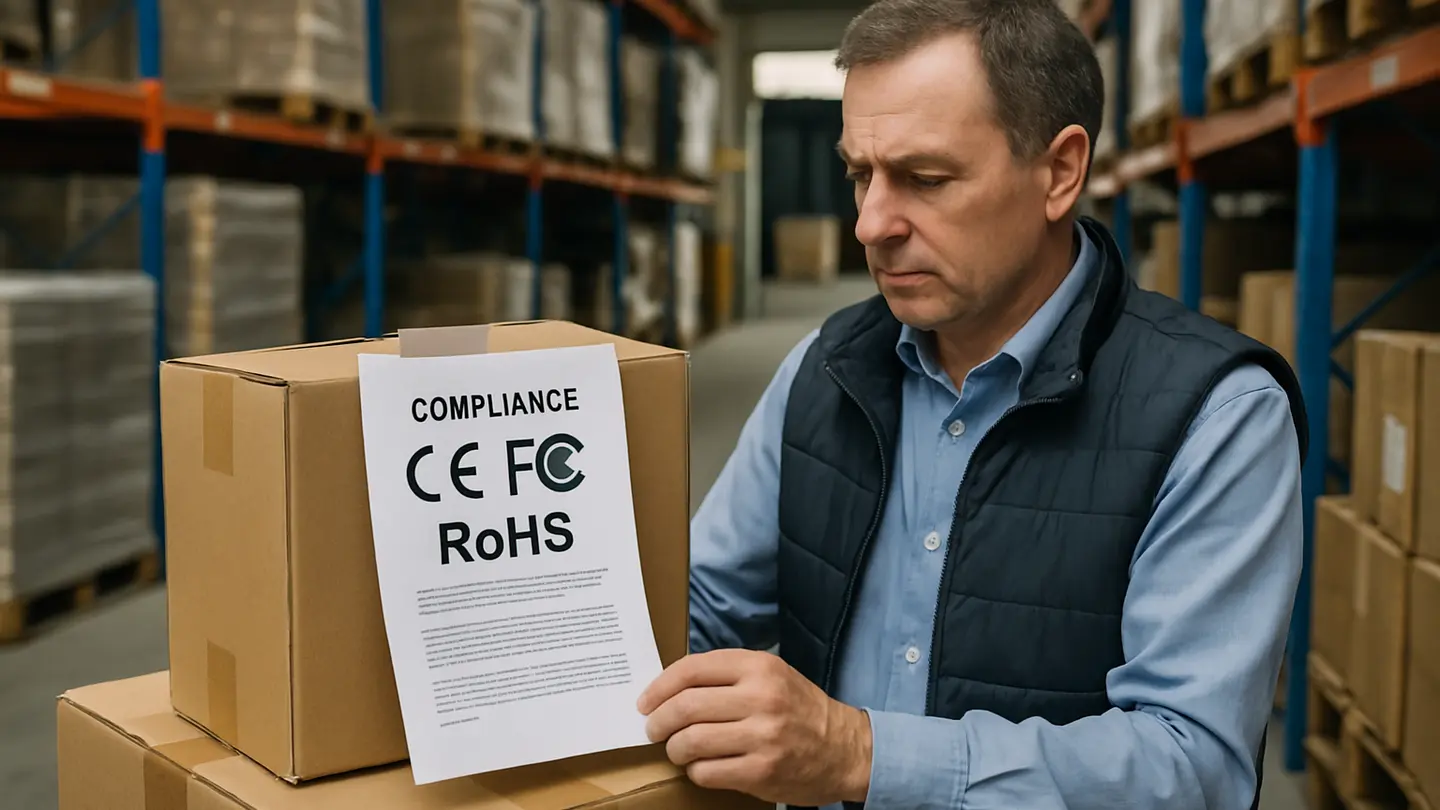
Noncompliance in chemical or material specifications can halt production, delay customs, or reject shipments. Issues may arise from trims, coatings, or packaging, and early checks ensure safer manufacturing and legal adherence. Employing compliance software and maintaining updated regulatory knowledge are practices that can help prevent compliance-related disruptions.
Early identification of compliance issues provides alternatives to adjust materials or production plans proactively. This proactive approach allows companies to negotiate legal complexities and avoid the financial and reputational damage associated with noncompliance.
Building a robust compliance strategy involves developing relationships with local regulators and leveraging compliance management platforms to monitor changes in laws and standards. This approach helps organizations stay ahead of potential compliance issues and enhance their operational readiness.
6. Chargebacks and Poor Reviews Multiply Each Quality Failure
Quality failures result in financial penalties such as preparation fees and shipment-rejection fees. Mislabeling and packaging errors affect entire shipments, often accompanying product defects, leading to poor customer reviews and affecting brand reputation. Investing in quality assurance technology and customer feedback systems can help mitigate these issues and foster stronger customer relationships.
Encouraging a culture of quality through employee training and engagement is pivotal for reducing chargebacks and negative reviews. Employees empowered with the right tools and knowledge are more likely to catch quality issues early, preventing downstream problems that affect customer satisfaction and brand image.
7. Supplier Defects Create an Unplanned Workload for Your Team
Quality issues increase workload, involving procurement, quality teams, and other staff in addressing defects, coordinating replacements, and mitigating risks. This unplanned workload impedes other strategic activities and increases operational costs. Companies should invest in staff training and empower cross-functional teams to tackle quality issues effectively.
Establishing clear roles and responsibilities within the team helps streamline processes and minimize disruptions caused by quality issues. Leveraging collaborative platforms and project management tools enables efficient communication and coordination among teams, reducing the time spent on managing defects.
8. Skipping Factory Audits Removes a High-Value Prevention Control
Factory audits ensure a supplier’s capacity for consistent quality. Audit insights can prevent entanglement with suppliers lacking adequate resources or inferring undisclosed subcontractors. Conducting audits preemptively is less costly than managing failures. Regular audits should be a pivotal part of supplier management strategies to maintain product standards.
Implementing a risk-based auditing strategy allows organizations to focus on high-risk suppliers and allocate resources where they are most needed. This targeted approach reduces the likelihood of quality failures and improves supplier performance through corrective action and continuous improvement initiatives.
How to Reduce Poor-Quality Costs Through Supply Chain Controls
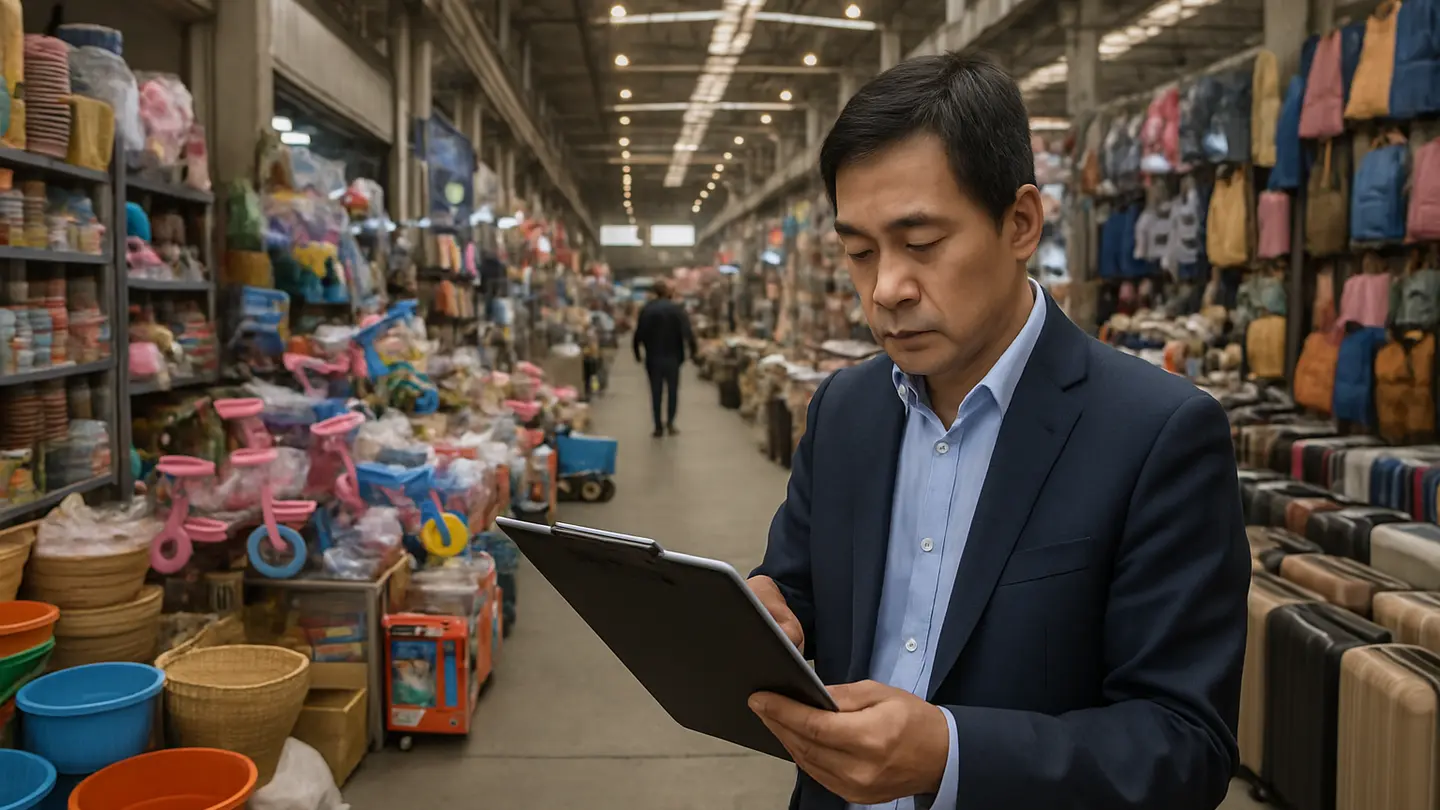
Buyers should track quality across factory capability, materials, production, and logistics to prevent defects from escaping. Document quality costs to inform better sourcing decisions. Implementing comprehensive Supplier Quality Management (SQM) programs can enhance collaboration and trust among supply chain partners, facilitating continuous improvement.
Fostering long-term partnerships with suppliers can drive innovation and resilience in the supply chain. Open communication and joint development programs focused on quality improvement can lead to cost reductions and higher product satisfaction rates.
1. Calculate the Cost of Failure Before Choosing Inspection Coverage
Evaluating failure costs beyond inspection quotes informs sensible inspections. Model potential failure impacts to highlight inspection value in avoiding significant losses on defective units. Tools like Root Cause Analysis (RCA) and Cost of Quality (COQ) analysis can identify areas of greatest risk and highest potential return on investment in inspections.
Implementing comprehensive failure cost models enables companies to make data-driven decisions about inspection coverage, aligning resources with areas that offer the greatest potential for cost savings and quality improvements.
2. Find the Quality Leaks That Other Checks Miss
Beyond final inspections, evaluate carton durability, moisture control, and material verifications to preclude unseen risks. Chemical-document scrutiny prevents compliance issues before they affect production. Leveraging advanced technologies such as IoT sensors and machine learning algorithms can identify and predict quality issues more accurately.
Advanced data analytics can reveal hidden patterns and anomalies in product quality that traditional methods may overlook. By integrating these insights with quality management systems, companies can refine their quality control strategies and achieve higher levels of precision.
FAQ
Does passing AQL 2.5 mean my shipment is safe?
No, it means the lot met specific criteria, not that every unit is defect-free. Additional quality controls adapted to shower product needs are essential. It’s critical to align perception with reality, ensuring stakeholders understand what AQL means and plan additional inspections accordingly.
Continuous training on quality standards and regular reviews of quality control processes can help teams remain vigilant and responsive to potential risks, ensuring that product safety and quality are maintained.
What is the ROI of a factory audit versus a pre-shipment inspection?
Each addresses different risks. Factory audits verify supplier readiness, while inspections assess products against requirements. Both provide critical risk insights for strategic decisions. Quantifying the ROI requires considering factors such as defect rates, cost savings from improved quality, and enhanced customer satisfaction.
Calculating ROI involves analyzing historical data and performance metrics to determine the financial benefits of audits and inspections relative to their costs. This analysis supports informed decision-making and prioritizes investments in key quality initiatives.
What defects do your inspectors see most often before a batch fails?
Common risks include unauthorized material substitutions and inconsistent dimensions. Material verification against specifications is crucial for preventing unnoticed performance changes. Addressing these defects requires stringent specifications and real-time communication with suppliers to prevent unauthorized changes.
Building strong relationships with suppliers and developing shared quality objectives can improve compliance with specifications and reduce the incidence of common defects, resulting in more consistent product quality.
How do I improve supply chain transparency with overseas suppliers?
Engage in on-site factory verification and regular monitoring to ensure accurate production transparency and adherence to agreed standards and compliance. Building strong relationships with key suppliers and utilizing technology platforms for real-time data sharing can also improve transparency and trust across borders.
Leveraging digital supply chain technologies, such as blockchain, can enhance traceability and accountability throughout the supply chain, ensuring integrity and transparency in every transaction and interaction.